Lost Horizons farewell
Inspirational nursery, treasure trove of botanical diversity, enticement to garden adventurously, vendor of plant delight. With much appreciation, thank you!
Inspirational nursery, treasure trove of botanical diversity, enticement to garden adventurously, vendor of plant delight. With much appreciation, thank you!
When bees come to visit the earliest flowers, I know that spring is truly here. … Read More
Even the lowly (because ubiquitous) spirea can surprise you with loveliness on a blustery day in April. My main complaint is that it has too many merits, requires too little of us, which seems churlish just now, when spirea is the first shrub to leaf out most bravely. … Read More
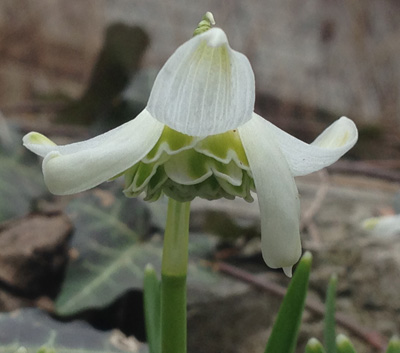
Galanthus, more commonly: snowdrops, are one of the earliest garden pleasures in the year, often breaking through the snow long before February is over. And now in mid-March they are still looking splendidly sturdy. They are a welcome sign that spring is indeed progressing and that renewal can happen. Again. … Read More
Kimmerer’s Braiding Sweetgrass (2013) is a book that will astonish in its subtle weave of forms of knowing our world and in its homage to the generosity of the plants that surround us, made us, and can save us. … Read More
Toronto summers (June-August) tend to be very hot and dry. We need to provide extra water for almost all plants during the summer months. This has overwhelming ecological benefits! … Read More
I know of nothing more heartwarming in the garden than the emergence of the Hellebores in spring. Often before the snow has completely melted, the bloom-stalks of Hellebores are poking through and encouraging us to enjoy our gardens again and spend time with our reviving plants. … Read More
Even in the low-light conditions of December, there are sensual pleasures in the garden. Moody remains of Clematis ternifolia with dark dried foliage and white, fluffy seed-heads is one of my favourites. … Read More
How should I water? This is the most common question I’m asked about gardening. The expectation generally is that there is an answer. And that the answer is something like: 14.
But watering is very complicated if the goal is to provide every plant with the optimum amount of water.
… Read More
Drought-tolerant late-blooming perennials, like Perovskia and Eryngium make a great pairing for the late summer garden. … Read More